

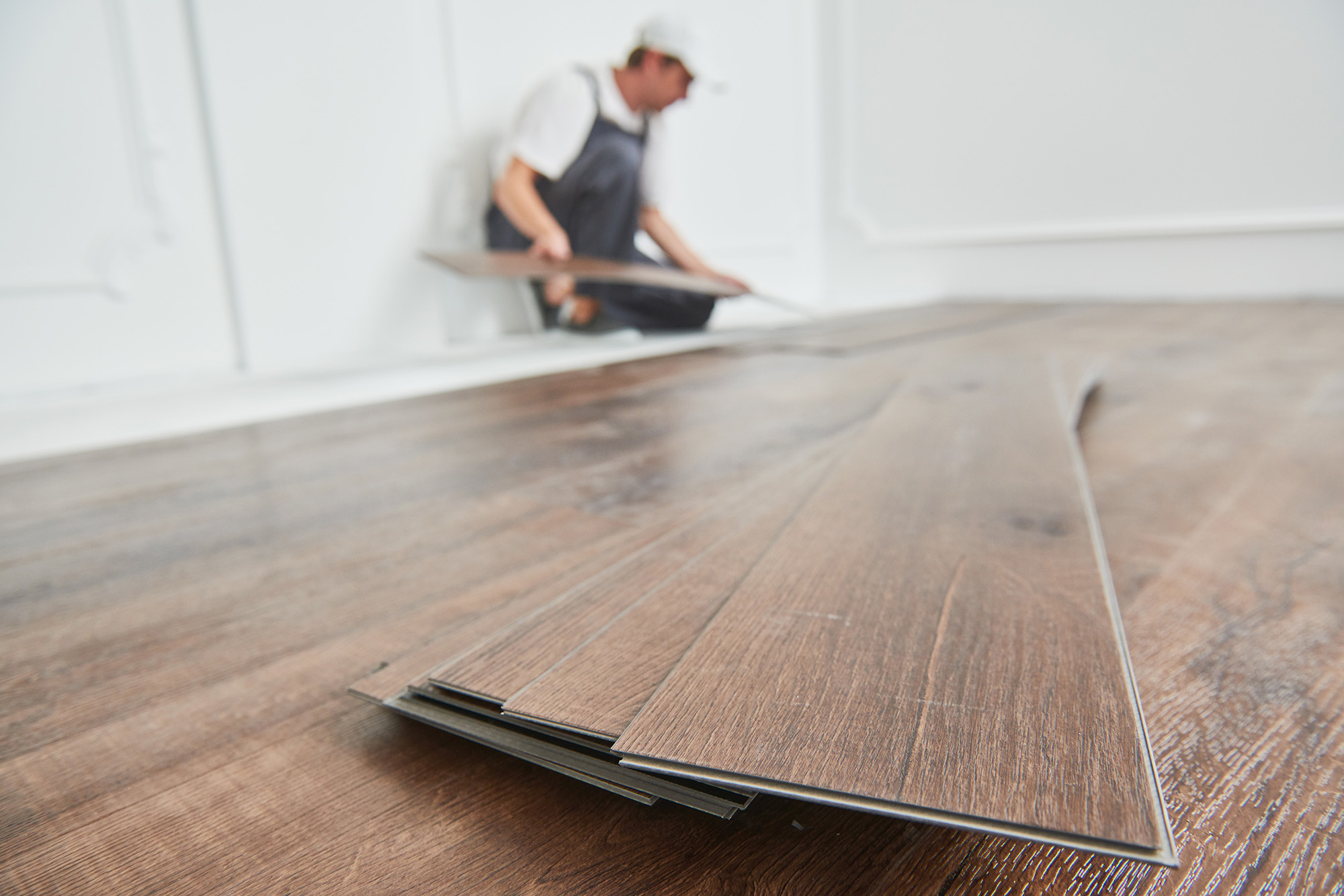
Installing new hardwood flooring can transform the look and feel of your home, but the process goes more smoothly when you prepare your space beforehand. From moving furniture to planning access for installers, a little organization can help reduce disruption and make it easier to complete your flooring project.
If you are considering an upgrade, start by exploring hardwood flooring options from Key Carpet Corporation. You can also review laminate flooring alternatives if you are comparing different flooring materials before deciding which option best suits your home.
Clear the Installation Area
One of the most important preparation steps is removing furniture and personal belongings from the rooms receiving new flooring. Clear chairs, tables, rugs, lamps, decorations, and other movable items so the installation team can access the floor safely.
If you are updating several rooms, plan where you will temporarily store your belongings. An unused bedroom, garage, or another suitable space may provide a convenient solution, depending on the items involved.
Remember to empty closets or other areas if the flooring project includes them. Confirm the exact work area with your installer before moving everything, since preparation requirements can vary by project.
Protect Your Furniture and Valuables
Moving furniture creates an opportunity to protect items that could be affected by dust, debris, or accidental contact. Pack smaller belongings into boxes and label them by room so you can return them to the correct places after installation.
Cover items that must remain nearby, following your installer's recommendations. Valuable decorations, electronics, artwork, and fragile objects are generally best moved away from the work area entirely.
If you have particularly heavy furniture or delicate items, arrange suitable assistance before installation day. Do not assume the flooring team will move every item, because furniture moving may be outside the agreed scope of work.
Discuss the Existing Flooring and Subfloor
Before work begins, ask how your existing flooring will be handled. Depending on the project, the old floor may need to be removed, and the underlying surface may require preparation before the new hardwood can be installed.
The subfloor needs to meet the flooring manufacturer's requirements for flatness, cleanliness, and moisture conditions. Your installer can identify whether additional preparation is necessary once the existing materials have been assessed.
It is helpful to discuss these details early so you understand what is included in the project and whether any additional work may be required.
Plan for Doors and Room Access
Hardwood flooring can affect the finished height of a floor, particularly when the installation involves removing existing materials or adding an underlayment. This may influence door clearance, transitions, and connections with adjoining rooms.
Ask your installer to assess these details before the work begins. Some doors may require adjustment, while transitions between rooms may need specific materials to create a safe and attractive finish.
You should also make sure the installation team has a clear path to the work area. Remove obstacles from hallways and entrances, and discuss parking or access arrangements in advance if needed.
Make a Plan for Children and Pets
Flooring installation involves tools, materials, and active work areas that may not be suitable for children or pets. Plan how you will keep them safely away from the rooms being renovated.
You may need to use another part of the home during the project or arrange an alternative place to stay, depending on the size of the installation and your household's needs.
Ask your installer about expected noise, work hours, ventilation, and any restrictions on entering the rooms during installation. Having a plan beforehand can help make the process less stressful for everyone.
Confirm the Installation Schedule
Before installation day, confirm the expected start date, estimated duration, and any preparation tasks you are responsible for completing. The timeline can depend on the room size, removal of existing flooring, subfloor preparation, and the specific hardwood product selected.
Some hardwood products require acclimation or particular environmental conditions before installation. Requirements vary, so follow the manufacturer's instructions and your installer's guidance rather than assuming every product follows the same schedule.
It is also useful to ask when you can move furniture back into the room and when normal use can resume. The answer depends on the product and installation method.
Prepare for Cleanup and Furniture Replacement
Once installation is complete, your room may need final cleaning before furniture can be returned. Follow the care instructions provided for your specific hardwood floor, and avoid using cleaning products that the manufacturer does not recommend.
When moving furniture back, take care to protect the new surface. Suitable furniture protectors can help reduce scratches from chairs, tables, and other pieces. Lift furniture when practical instead of dragging it across the floor.
Think about where rugs will be placed, too. Follow the flooring manufacturer's recommendations for rug backing and cleaning products to help protect the finish.
Get Ready for Your Hardwood Flooring Project
Preparing your home involves more than clearing furniture. By organizing belongings, discussing subfloor requirements, planning access, and confirming the installation schedule, you can help create a smoother experience from the first day of work to the final furniture arrangement.
Whether your project is in Oak Lawn, Alsip, Chicago Ridge, Chicago, or Evergreen Park, careful preparation can help you approach your flooring update with greater confidence.
Ready to discuss your project? Contact Key Carpet Corporation to explore hardwood flooring options and plan the next steps for your home.
