

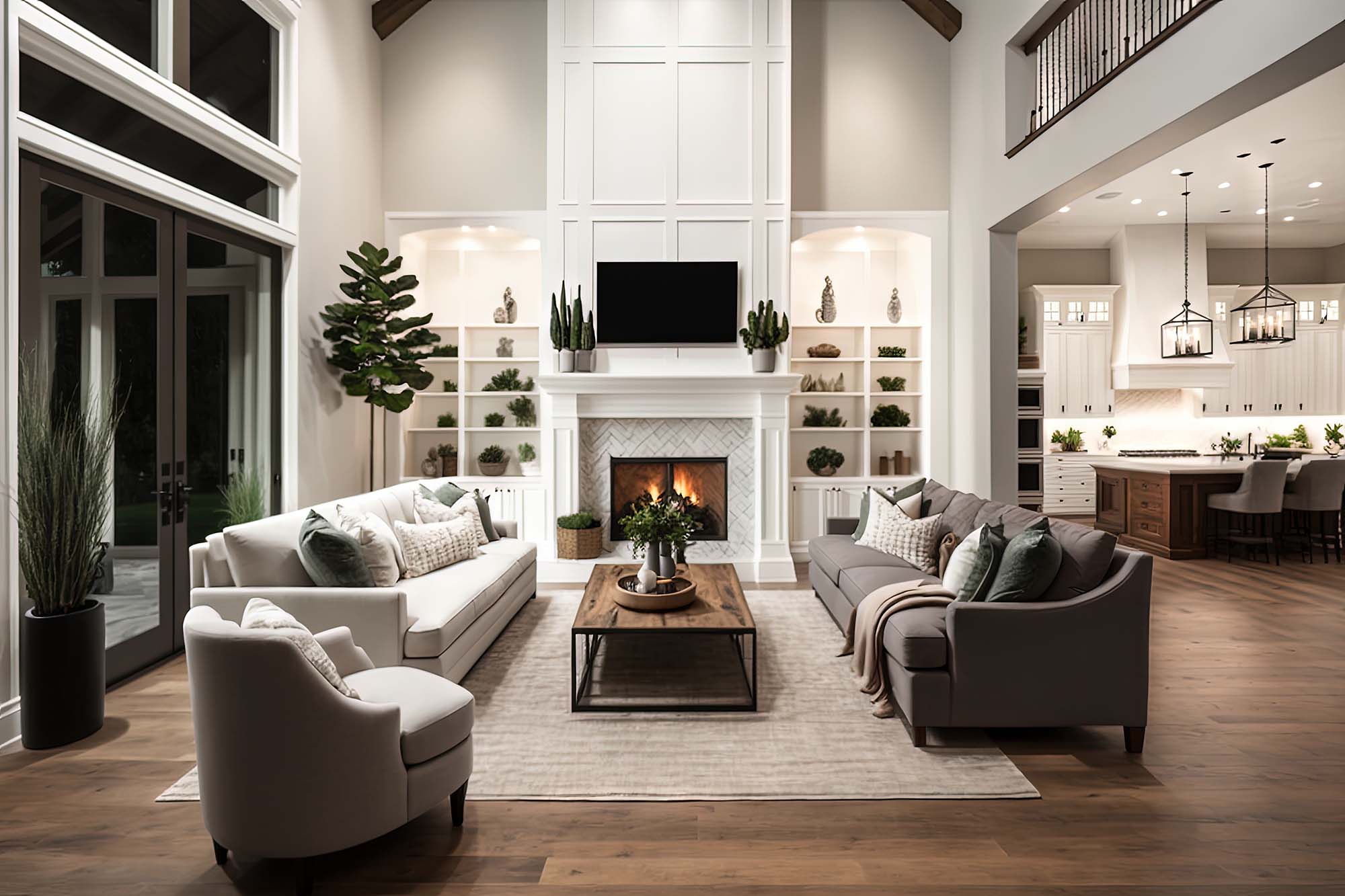
Your existing flooring already gives your room a foundation, but you can make the space feel warmer and more inviting by adding an area rug. Whether you have hardwood, laminate, tile, or another hard surface, the right rug can introduce softness, texture, color, and visual interest without requiring a major flooring change.
If you are considering new rugs for your home, you can explore area rug options from Key Carpet Corporation to see how different styles can complement your existing interior. If hardwood is part of your design, you can also explore hardwood flooring options to understand how rugs and wood flooring can work together.
Start With the Flooring You Already Have
When you layer an area rug over existing flooring, the floor underneath should guide your decision. You do not necessarily need the rug and flooring to match exactly. In fact, creating some contrast can make both surfaces more noticeable.
For example, if your room has warm wood flooring, you can introduce a rug with softer neutral tones, subtle patterns, or complementary colors. If your laminate flooring has a pronounced wood look, a rug can help break up the appearance while adding another layer of texture. With tile flooring, a comfortable area rug can soften the overall feel of a room and make hard surfaces feel more welcoming.
Think about what you already like about your flooring. If you have attractive hardwood that you want to keep visible, you can choose a rug that covers only part of the floor. This allows the flooring to remain an important part of the room while the rug creates a separate visual area.
Use Rugs to Define Areas Within a Room
An area rug can do more than add comfort. You can use it to give a room a clearer sense of purpose. This can be especially useful when one larger room serves several functions.
You might place a rug beneath a seating arrangement to visually group the sofa, chairs, and coffee table together. In a bedroom, a rug can create a softer area around the bed. In a dining space, it can help distinguish the table and chairs from the rest of the room.
The key is to think about how you use the space before choosing the rug. You want the rug to feel connected to the furniture rather than looking like it was simply placed in an empty section of flooring.
Consider How Much of the Flooring You Want to Show
Layering does not mean covering as much flooring as possible. One of the benefits of using an area rug is that you can control how much of your existing floor remains visible.
If you have beautiful hardwood flooring, you may want to leave a generous border around the rug. This creates a framed appearance that allows the wood to contribute to the room's design. With laminate flooring, you can use a similar approach while introducing a different color or texture through the rug.
You can also use more than one rug in a larger space, provided the designs work together. The rugs do not need to be identical. However, choosing colors, patterns, or textures that share something in common can help the room feel coordinated rather than disconnected.
Pay Attention to Texture
Texture becomes particularly important when you are layering a rug over a hard flooring surface. Hardwood and laminate can provide a smooth visual foundation, while a textured rug can add softness and depth.
Consider how the room feels as well as how it looks. A plush rug can create a comfortable atmosphere in a bedroom or sitting area. A flatter rug may work better where furniture moves frequently or where you want a cleaner appearance.
You can also use texture to create contrast. A smooth floor paired with a visibly textured rug can make the room feel more layered without requiring bold colors or dramatic patterns.
Choose Colors That Work With Your Flooring
Your rug does not have to repeat the exact color of your flooring. Instead, look for colors that complement the existing tones in the room.
If your flooring has warm undertones, you might choose a rug with warm beige, cream, brown, or muted earthy colors. If the flooring has cooler tones, shades of gray, blue, soft green, or other cool colors may create a balanced appearance.
You should also consider your walls, furniture, curtains, and other major elements. A rug can serve as a connection between several colors already present in the room. For example, if your sofa and curtains have different neutral shades, a patterned rug can bring those tones together.
Think About Furniture Placement
Furniture placement can make or break the layered look. Before purchasing an area rug, consider where your furniture sits and how you move through the room.
In a living room, you may want the front legs of your seating to sit on the rug. This can create a more connected arrangement. In other rooms, you may prefer a rug positioned entirely beneath a specific piece of furniture or centered within a defined area.
You should also leave enough room for doors to open comfortably. If a rug sits close to a doorway, check its thickness and placement before committing to the arrangement. Small details like these can make the finished space much more functional.
Make the Rug Work With Your Lifestyle
Your daily routine should influence your choice just as much as your decorating preferences. If you have children, pets, frequent visitors, or busy rooms, you may want a rug that is practical for regular use.
Consider how often the area will be walked across and how easy the rug will be to maintain. A beautiful design is much more useful when it also fits the way you live.
For homes in Oak Lawn, Alsip, Chicago Ridge, Chicago, and Evergreen Park, you can create comfortable spaces that feel personal without completely changing the flooring throughout your home. An area rug gives you flexibility because you can change the look of a room without replacing the floor underneath.
Create a More Finished Interior
Layering an area rug over existing flooring gives you another opportunity to shape the atmosphere of your home. You can use it to add warmth to a room, define furniture arrangements, introduce pattern, or soften the appearance of a hard surface.
Most importantly, you can build the design around the flooring you already enjoy. Rather than treating your rug and flooring as separate choices, consider them two parts of the same interior. When the colors, textures, proportions, and furniture placement work together, the result can feel intentional and comfortable.
If you are ready to explore ways to add an area rug to your space, Contact Key Carpet Corporation [https://www.keycarpetcorporation.com/contact] to discuss your flooring and rug needs. You can find options that complement your existing floors while helping you create a space that feels more comfortable and complete.