

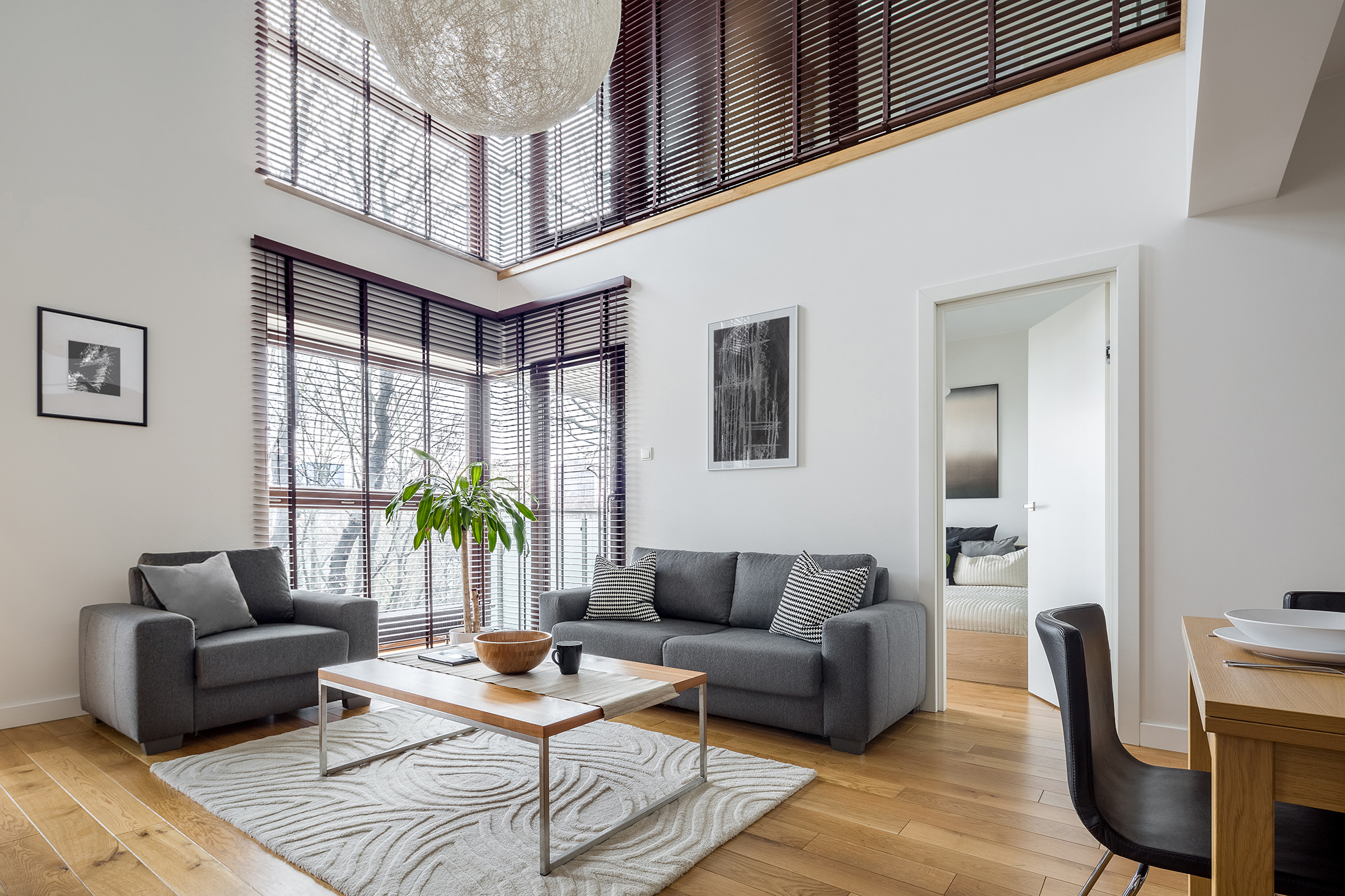
Choosing hardwood flooring is an exciting part of updating a home, but the flooring is only one piece of the overall design. Doors, baseboards, staircases, and other wood elements can have a significant impact on how the finished space looks. Coordinating these features thoughtfully can create a more polished interior and help different areas of the home feel connected.
Homeowners planning a flooring project can explore hardwood flooring options from Key Carpet Corporation. For additional warmth and visual interest, consider area rugs for hardwood floors.
Start With the Existing Wood Elements
Before selecting a hardwood floor, take a close look at the wood already present in the home. Doors, stair railings, built in features, and other details can influence which flooring tones will work best.
Matching every wood element exactly is not always necessary. In fact, using slightly different tones can add depth and character. The goal is to create a relationship between the materials rather than making every surface look identical.
Coordinate Hardwood With Baseboards
Baseboards provide an important visual transition between the flooring and walls. Many homeowners choose white or neutral trim because it creates a clean separation between the floor and the rest of the room.
For homes with natural wood trim, consider the undertones in both the trim and flooring. Warm wood tones generally work well together, while mixing very different undertones can sometimes create an uneven appearance.
Consider Doors and Door Frames
Interior doors are another feature that can influence the overall look of hardwood flooring. If the doors have a strong wood grain or distinctive finish, consider how they interact with the selected floor.
When doors and flooring are not identical, look for complementary tones. A consistent undertone can help different wood finishes feel intentional rather than mismatched.
Pay Attention to Staircases
Staircases often serve as a major visual connection between floors. When hardwood flooring is installed near stairs, coordinating the materials can help create a smoother transition.
Homeowners may choose flooring that closely complements the staircase or use a contrasting finish to create visual interest. Either approach can work when the colors and undertones are thoughtfully balanced.
Use Rugs to Connect Different Wood Tones
Area rugs can be helpful when a room contains several wood finishes. A rug with colors that appear in both the flooring and furniture can visually connect the different materials.
This approach also adds softness and personality while helping define seating and gathering areas.
Think About the Entire Home
It is easy to focus on one room when selecting hardwood flooring, but connected spaces should also be considered. Hallways, staircases, entryways, and adjoining rooms can all influence how the finished flooring looks.
Taking a whole home approach can help create a more consistent design, especially in homes with open layouts or visible transitions between rooms.
Create a Cohesive Hardwood Flooring Design
Coordinating hardwood floors with doors, trim, and staircases does not require every element to match perfectly. Instead, focus on complementary colors, consistent undertones, and a balanced overall appearance.
With careful planning, hardwood flooring can become the foundation that brings different architectural details together and creates a more cohesive home interior.
Contact Key Carpet Corporation Today
Ready to find hardwood flooring that works with the existing details in your home? Contact Key Carpet Corporation to explore flooring solutions for homes throughout Oak Lawn, Alsip, Chicago Ridge, Chicago, and Evergreen Park, IL.