

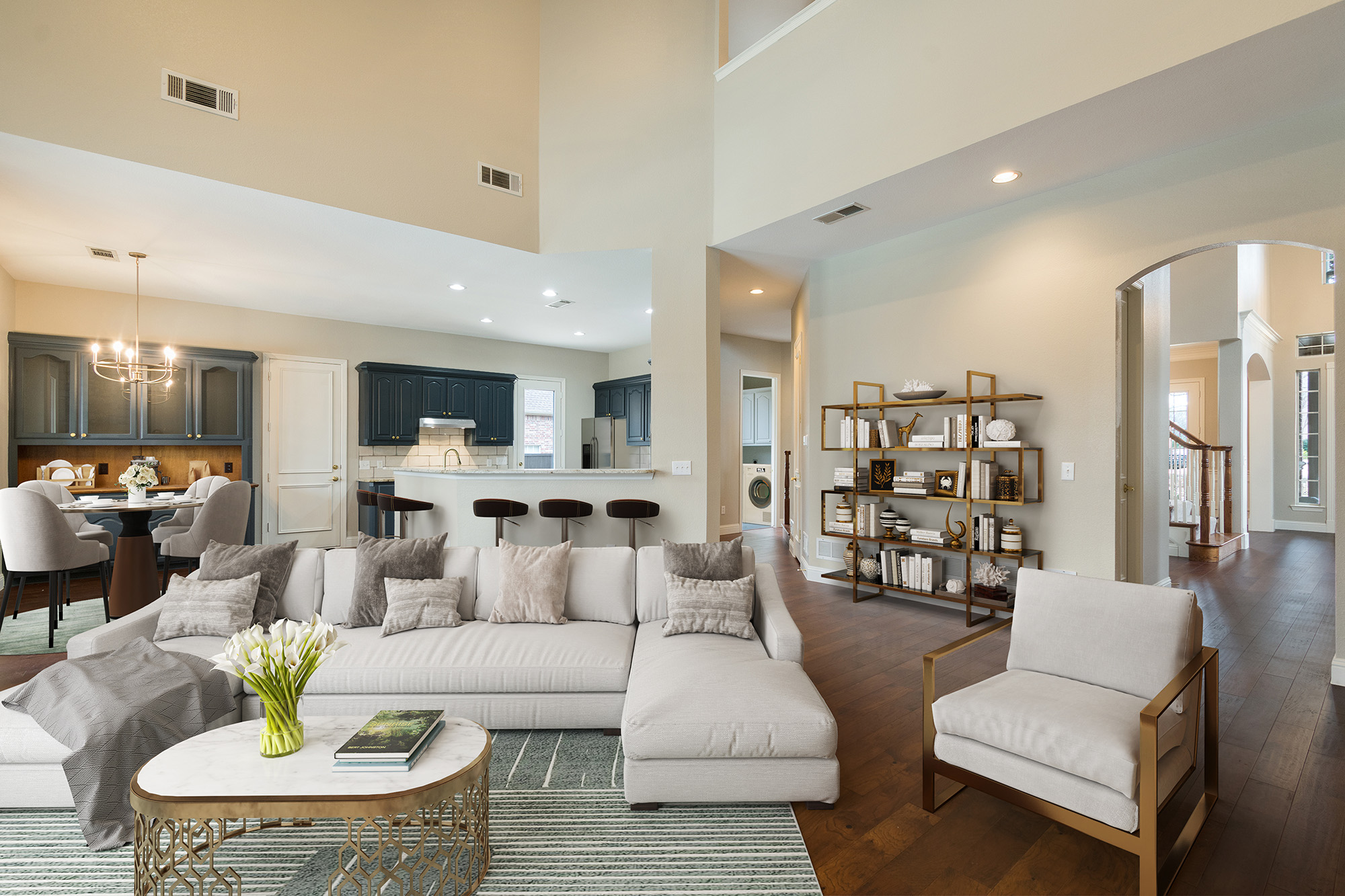
Built in features can give your home a distinct sense of character. Whether you have custom shelving, a built in entertainment center, a window seat, cabinetry, or another permanent feature, the surrounding flooring can influence how those details look within the room.
Hardwood flooring offers a natural foundation that can complement built in features while helping the different elements of your interior feel connected. Instead of treating your floor and built ins as separate design decisions, you can consider how their colors, textures, and proportions work together.
If you are planning a flooring update, you can explore hardwood flooring options from Key Carpet Corporation while considering the permanent features already present in your home. You can also explore area rug options if you want to add another layer of texture and comfort around built in furniture.
Let the Flooring Create a Consistent Foundation
One of the advantages of hardwood flooring is the way it can visually connect different parts of a room. Built in features often contain several materials, including painted wood, stained wood, stone, metal, or glass. Hardwood can provide a natural element that helps balance these materials.
You do not need every surface in the room to match. In fact, exact matching can sometimes make an interior feel too uniform. Instead, look for relationships between the flooring and the built in feature.
For example, a natural wood floor can complement painted shelving by introducing warmth beneath the cooler finish. A darker hardwood floor can provide contrast against lighter cabinetry, while a lighter floor can help darker built ins stand out.
Consider the Color of Your Built Ins
Color is one of the first things you should consider when pairing hardwood flooring with built in features. If your built ins are painted white or another light neutral, you have considerable flexibility with the flooring.
You can choose a medium or darker hardwood to create contrast, or select a lighter floor for a softer and more open appearance. Both approaches can work depending on the rest of the room.
If your built ins already feature natural wood, pay closer attention to undertones. You do not necessarily need the wood tones to be identical, but they should feel compatible.
For example, two wood surfaces with noticeably different undertones may compete with one another. Choosing flooring with a related warmth or neutral quality can help the room feel more intentional.
Use Contrast to Highlight Architectural Details
Your flooring can help draw attention to a built in feature when you use contrast thoughtfully. A lighter built in against a deeper hardwood floor can become a strong focal point without requiring additional decoration.
You can also reverse the approach. Dark cabinetry or shelving can stand out beautifully against a lighter hardwood floor. This can be particularly effective when the built in feature contains decorative objects, books, artwork, or other details you want to emphasize.
The goal is not to make the flooring compete with the built in. Instead, the two surfaces should support one another while allowing the feature to remain visually important.
Think About the Shape and Size of the Room
The size of the room can influence how your hardwood flooring interacts with built in features. In a smaller room, a continuous flooring surface can help create visual flow and prevent the space from feeling broken up.
In a larger room, the flooring can help establish a foundation around substantial built in cabinetry or shelving. The direction of the boards can also influence how you perceive the room.
When possible, consider the relationship between the floor direction and the built in feature. You may want the flooring to guide the eye toward the feature, reinforce the shape of the room, or create a sense of continuity across the space.
Consider Built In Shelving and Entertainment Centers
Entertainment centers and built in shelving often become major focal points. Because these features can occupy a large section of a wall, the flooring beneath them becomes part of the overall composition.
Hardwood can create a warm foundation that works well with books, decorative accessories, artwork, and electronics. If the built in is visually busy, a more understated hardwood finish can provide balance.
If the built in has a simple design, you may have more freedom to choose flooring with visible grain or natural variation. This allows the floor to contribute character without overwhelming the room.
Work With Built In Window Seats
A built in window seat creates another opportunity to coordinate hardwood flooring with a permanent feature. Because the window naturally attracts attention, the surrounding floor can help make the seating area feel like an intentional part of the room.
You can add an area rug nearby or use cushions and textiles to introduce softness. The hardwood can remain visible around the seating area, creating a layered appearance that combines natural flooring with comfortable fabrics.
This approach can work particularly well in reading areas, bedrooms, family rooms, and other spaces where you want a comfortable place to sit without losing the character of the flooring.
Do Not Ignore Trim and Other Wood Details
Built in features rarely exist by themselves. You may also have baseboards, door trim, stair components, window trim, or other wood elements nearby. These details can affect how your hardwood floor looks once everything is installed.
You can create a more cohesive appearance by considering all of these materials together. The flooring does not need to match every piece of trim, but the combination should feel balanced.
If your home contains several existing wood finishes, bring samples together before making your final flooring decision. Looking at them side by side can reveal differences that may not be obvious when you consider each surface separately.
Use Rugs Without Hiding the Flooring
Once your hardwood flooring is installed, you can use an area rug to create additional definition around a built in feature. A rug can make a reading area feel more comfortable or help visually connect a seating arrangement to built in shelving.
You do not have to cover a large portion of the floor. A carefully positioned rug can add color and texture while leaving enough hardwood visible to maintain the room's natural foundation.
This gives you flexibility as your style changes. You can replace or reposition the rug later without changing the permanent flooring or built in feature.
Create a Connected Look Throughout Your Home
When you plan hardwood flooring around built in features, think beyond a single room. If your home has built in cabinetry or shelving in several areas, a consistent flooring approach can help create visual continuity as you move through the house.
This can be especially useful when updating homes in Oak Lawn, Alsip, Chicago Ridge, Chicago, and Evergreen Park. A carefully selected hardwood floor can provide a consistent foundation while allowing each room to retain its own personality.
Make the Flooring Part of the Design
Built in features are often designed to become permanent parts of your home, so your flooring deserves the same level of consideration. Hardwood can provide warmth, natural texture, and visual continuity while supporting the cabinetry, shelving, seating, and architectural details around it.
Rather than choosing flooring after everything else has been decided, consider it part of the complete design. Look at colors, wood tones, room proportions, furniture placement, and lighting together. When these elements complement one another, your built in features can feel more integrated into the room.
If you are considering hardwood flooring for your home, Contact Key Carpet Corporation to discuss your project. You can explore flooring options that work with the built in features and design details that make your home unique.