

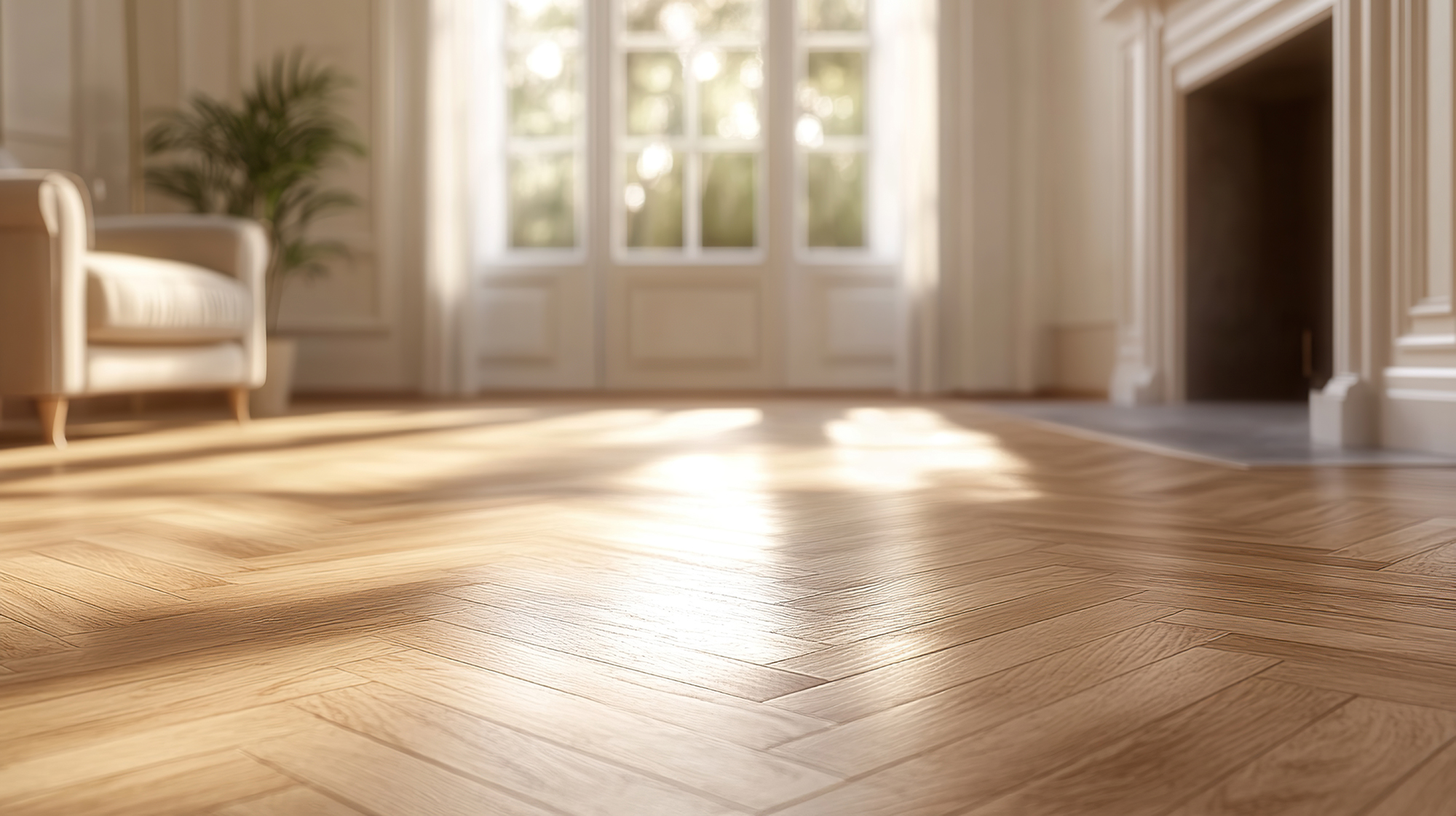
When you choose hardwood flooring, color is only one part of the decision. The grain pattern also influences how your floor looks and how it interacts with the furniture, walls, and decorative features throughout your home. Some wood floors have subtle, consistent markings, while others feature prominent lines, curves, and natural variation that give each board a distinctive appearance.
Understanding these differences can help you select flooring that suits your preferred interior style. You can explore hardwood flooring options from Key Carpet Corporation and consider how different wood patterns might work in your space. If you want to coordinate your floor with decorative elements, you can also explore area rug options to see how another layer of texture can complement the finished room.
What Creates Different Wood Grain Patterns?
Wood grain develops from the natural structure of a tree. The species, growth conditions, and way the wood is cut all influence the appearance of the finished boards. As a result, hardwood flooring can display straight lines, curved markings, knots, and variations in tone.
These characteristics are part of what makes hardwood distinctive. Even boards from the same species can look different, giving your floor a natural appearance rather than a perfectly uniform surface.
When comparing flooring samples, look beyond the overall color. Notice the direction of the lines, the amount of variation, and how frequently distinctive markings appear. These details can influence the character of the entire room.
Straighter Grain for a Clean, Subtle Appearance
If you prefer a simple interior, hardwood with relatively straight and consistent grain may be a good fit. Its more orderly appearance can support modern, minimalist, and transitional spaces without drawing too much attention away from your furniture.
This type of grain can work particularly well when your room already includes noticeable design elements, such as bold artwork, patterned upholstery, or distinctive cabinetry. The floor provides a natural foundation while allowing those features to remain prominent.
You can also pair straighter grain with simple furniture and neutral colors for a calm, coordinated look.
Pronounced Grain for More Natural Character
Some hardwood floors have more visible grain patterns, including curves, contrasting lines, and natural markings. These features can give your room a stronger connection to the natural character of wood.
If your interior feels too uniform, a more expressive grain can introduce visual interest without relying on bright colors or elaborate patterns. It can complement traditional furniture, rustic details, and interiors that emphasize natural materials.
Keep the rest of the room in mind when making your choice. If your furniture and fabrics already have complex patterns, a highly varied floor may create a busy appearance. Balancing pronounced grain with simpler furnishings can help the room feel more cohesive.
Understand Knots and Natural Variation
Knots and differences in grain are natural characteristics that may be visible in hardwood flooring. Depending on the product and grade, these details can be subtle or prominent.
If you enjoy a more natural and informal appearance, visible knots and variation can add personality to your floor. They can work well with textured fabrics, natural wood furniture, and relaxed interior styles.
If you prefer a more consistent appearance, look for flooring products with less prominent variation. Review several boards or a larger sample when possible, because a single small sample may not represent the full range of markings across an installed floor.
Consider How Grain Works With Room Size
The grain pattern can influence where your eye travels across a room. Long, relatively consistent lines may create a sense of direction, while more varied markings can attract attention across the floor.
Think about the dimensions of your room and the placement of its main features. In a narrow hallway, the direction of the boards and grain may help reinforce the length of the space. In a larger living room, natural variation can provide detail across a broader area.
Remember that board direction, plank width, lighting, and furniture placement also affect the finished appearance. Grain should be considered as part of the complete flooring design rather than in isolation.
Coordinate Grain With Furniture and Other Materials
Your flooring does not need to have the same grain pattern as your furniture. In fact, combining different wood textures can create depth and character when the elements share compatible colors or undertones.
For example, a floor with noticeable grain can pair well with simpler furniture finishes. If your cabinets or tables already feature strong wood markings, a more understated floor may help balance the room.
You can also introduce contrast through textiles and accessories. A carefully chosen area rug can soften the visual effect of pronounced grain while allowing some of the hardwood to remain visible.
Compare Samples Before Choosing
Photographs can help you explore different styles, but seeing flooring samples in your home gives you a clearer idea of how the grain will look alongside your existing finishes. Natural and artificial lighting can change the way markings and color variations appear.
Compare samples with your furniture, cabinets, and wall colors. If possible, view them at different times of day to see how the overall appearance changes with the light.
Find Hardwood That Fits Your Interior
Hardwood grain patterns can shape the personality of your room, from subtle and understated to richly textured and distinctive. By considering the natural markings, room proportions, furniture, and other materials, you can choose flooring that supports your preferred design.
Whether you are updating a home in Oak Lawn, Alsip, Chicago Ridge, Chicago, or Evergreen Park, taking time to compare grain patterns can help you make a more informed flooring decision.
Ready to explore your options? Contact Key Carpet Corporation to discuss hardwood flooring for your home and find a style that complements your interior.
